Duck hunting is all about patience, skill, and, most importantly, concealment. If you’re not properly hidden, you might as well wave a flag and let the ducks know you’re there. That’s why building a duck blind is a crucial part of the hunt.
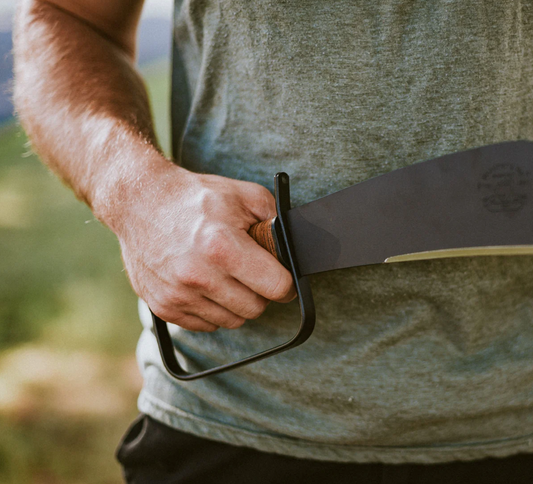
A well-constructed duck blind keeps you out of sight while blending seamlessly into the environment. But to build a solid, effective blind, you need the right tools, especially for clearing brush and gathering materials. That’s where the Woodman’s Pal machete comes in. This rugged, multi-functional land-clearing tool is designed for the job, making it easier to cut, chop, and prepare materials for your blind.
Let’s break down the process step by step so you can build a duck blind that keeps you hidden and gives you the best shot at a successful hunt.
Step #1: Choose the Right Spot
Ducks prefer shallow waters, marshes, and areas with plenty of natural cover. They’re looking for safety, food, and a good place to land. If you want them to fly in and feel comfortable, your blind needs to be strategically placed in their natural habitat.
Factors to Consider When Selecting a Location
- Wind Direction: Ducks typically land into the wind, so position your blind accordingly.
- Water Access: If you’re hunting over water, make sure your blind is placed in a way that provides a clear shooting lane.
- Cover and Background: Choose a spot with enough natural cover to blend your blind seamlessly into the surroundings.
Step #2: Gather Materials
Before you start cutting, gather the materials you’ll need:
- Wooden Stakes or Poles: These will serve as the foundation of your blind.
- Natural Brush and Vegetation: The key to blending in!
- Cordage or Zip Ties: For securing the brush to the frame.
- The Right Cutting Tools: A machete is a must for efficiently collecting brush and clearing the area.
Step #3: Clear the Area
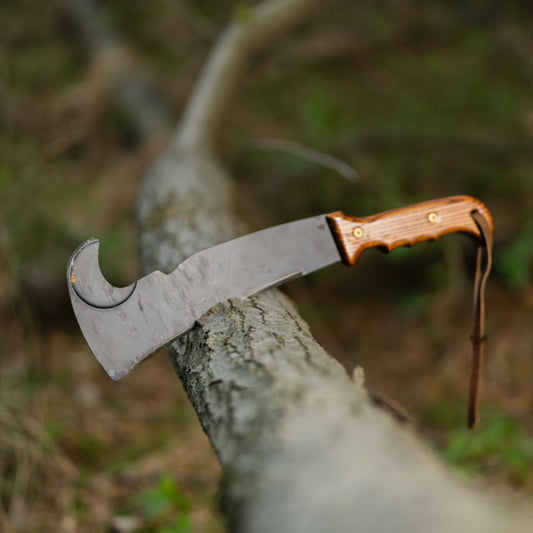
When it comes to tools for cutting blind brush, nothing beats a Woodman’s Pal machete. This durable tool combines a curved blade for slicing and a hooked end for chopping, making it ideal for clearing vegetation.
With the Woodman’s Pal machete/land clearing tool, you can:
- Chop through thick brush with ease.
- Trim smaller branches to camouflage your blind.
- Clear shooting lanes quickly.
- Cut stakes and poles for your frame.
Using a Machete to Remove Obstructions
- Start by cutting away thick brush and undergrowth to create a clear working space.
- Trim back overhanging branches that could obstruct your view or give away your position.
- Use the hooked end of the Woodman’s Pal to grab and remove vines or small saplings.
Step #4: Construct the Frame
You can either build a natural frame using fallen branches and saplings or use wooden stakes for a sturdier foundation. Natural frames blend better with the environment, but wooden stakes provide more durability.
How to Frame Your Duck Blind
- Drive wooden stakes into the ground to form the shape of your blind.
- Use horizontal poles or branches to connect the stakes and form a sturdy base.
- Reinforce the structure with rope or zip ties to ensure stability.
Step #5: Add Camouflage
The key to a successful duck blind is natural camouflage. Use local vegetation that matches your surroundings, including reeds, tall grass, branches, and brush.
Attach and Layer the Brush for Maximum Concealment
- Gather fresh brush and cut it to size using the Woodman’s Pal.
- Attach the brush to the frame by weaving it through or securing it with twine.
- Layer different textures and colors to make the blind look as natural as possible.
Step #6: Final Touches and Adjustments
Before you use your new blind for hunting, you need to test its visibility and make sure it’s comfortable enough for you, since you’ll be in it for a long time:
- Sit inside the blind and check your line of sight. You should be hidden but still have a clear shot at incoming ducks.
- Adjust brush height as needed to maximize concealment without blocking your view.
- Make sure the structure is sturdy since you don’t want it collapsing in the middle of your hunt!
Make Seasonal Adjustments for Different Conditions
Ducks get smarter as the season progresses, so keep your blind looking fresh. As leaves change and brush dies off, replace dried vegetation with fresh cover to keep blending in.
Enjoy Your Next Duck Hunt with The Woodman’s Pal By Your Side
A duck blind is a carefully crafted hideout that gives you the upper hand in the hunt. With the right location, solid construction, and natural camouflage, you’ll stay hidden while waiting for the perfect shot.
But the secret to making the process easy? Using the right tools. The Woodman’s Pal machete is designed for clearing land, cutting brush, and preparing materials with efficiency, so you spend less time building and more time hunting.
Shop now for the Woodman’s Pal and all the accessories you need for your next duck hunt!