A productive garden begins long before the first seed goes into the ground. The way you prepare your soil, organize your beds, and shape your planting rows can have a big impact on how well your crops grow throughout the season.
Clean rows and properly dug trenches help water move where it should, make planting easier, and give roots the loose soil they need to grow strong. Whether you are planting vegetables, installing irrigation, or building defined garden beds, learning how to dig garden trenches and rows the right way will set your garden up for success.
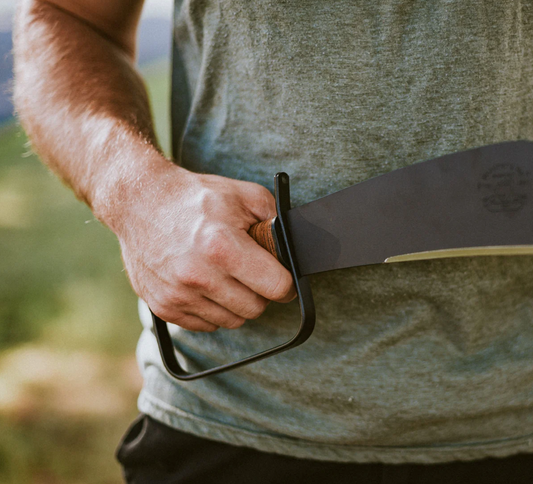
Just as important as technique is the tool you use. A sturdy hoe makes soil preparation faster and far more precise. The Woodman’s Pal gardening hoe stands out because of its practical double-blade design. The narrow blade is ideal for precision work like carving planting furrows, while the wider blade moves soil efficiently when digging trenches or shaping beds.
Below is a practical guide to help you create straight planting rows, dig irrigation trenches, and prepare clean garden beds that are ready for planting.
Why Do Clean Garden Rows and Trenches Matter?
Clean planting rows make the entire garden easier to manage. Water reaches the roots more evenly, plants stay properly spaced, and routine tasks like weeding and harvesting take less effort. When soil is loosened and shaped properly, young roots can spread more easily and access nutrients more effectively. Taking the time to prepare clean rows at the beginning of the season often leads to healthier plants and higher yields later on.
Step #1: Plan Your Garden Layout
Before you begin digging, spend a little time planning your layout. Use stakes and string to mark where each row will go. This simple step helps keep your planting lines straight and evenly spaced. Think about how much room your crops will need as they mature and leave enough space between rows so you can comfortably walk or work between them. Planning also helps you decide where irrigation lines should run and where walkways will be most useful.
Step #2: Dig Your Garden Trenches for Proper Irrigation
Irrigation trenches allow water lines or drip hoses to run neatly through your garden while keeping them protected and out of the way. To start, mark the trench path using a garden line or hose as a guide. Once the line is set, begin breaking the soil along that path.
Use the wider blade of a gardening hoe to chop into the soil and pull dirt toward you. Work slowly along the marked line, deepening the trench with steady strokes. Continue until the trench is deep enough for your irrigation line. Remove large stones or clumps of soil so the trench bottom stays smooth. This makes installing irrigation lines easier and helps keep water flowing evenly.
The wider trenching blade on the Woodman’s Pal hoe moves more soil with each pass, which makes digging longer trenches quicker and less tiring.
Step #3: Create Straight Furrows for Vegetables
Many vegetables grow best when planted in shallow furrows. Vegetables like beans, carrots, lettuce, and peas are commonly planted this way. To create a furrow, stretch a line across the bed where you want the row to run. Using the narrow blade of your hoe, lightly score the soil along the string to create a guide. Then pull the blade toward you to deepen the furrow to the proper planting depth. Keep the depth as consistent as possible from one end of the row to the other. Once the furrow is ready, drop in your seeds according to the recommended spacing and gently cover them with soil.
The narrow blade of the Woodman’s Pal gardening hoe makes this step especially easy because it allows you to carve clean, precise furrows without disturbing the surrounding soil.
Step #4: Prepare Walkways Between Garden Beds
Walkways are an important part of an organized garden. They keep you from stepping on planting areas and prevent soil from becoming compacted around your crops. Start by marking the width of the walkway using stakes or string. Use the wider blade of the hoe to remove grass or sod from the path area. Then scrape and level the soil to create a smooth walking surface.
If you want a more finished path, you can add mulch, gravel, or wood chips. Clearly defined walkways help separate planting beds from work areas and keep your garden tidy all season long.
Step #5: Establish Large and Small Planting Rows
Different crops require different row sizes, and shaping those rows properly can make planting and maintenance much easier. For smaller rows, such as those used for herbs or root vegetables, the narrow blade of a hoe works well for creating shallow furrows that stay neat and evenly spaced. For larger crops like potatoes, corn, or squash, deeper rows or trenches may be needed. In these cases, the wider blade helps move soil quickly and form larger planting channels.
A dual-blade gardening hoe allows you to switch between these tasks without needing multiple tools. That flexibility is one of the reasons many gardeners appreciate the design of our gardening hoe.
Tend Your Garden with the Right Tools
Healthy plants begin with well-prepared soil. When you know how to dig garden trenches and plant rows properly, you create the conditions your crops need to grow strong from the start. And a dependable tool makes that job faster and more precise.
If you are preparing beds for the upcoming season, now is a great time to upgrade your gardening tools. The Woodman’s Pal gardening hoe is designed to handle real garden work with its durable construction and practical double-blade design for both precision and trenching.
Browse our gardening hoe and other durable gardening accessories to make planting, trenching, and soil preparation easier this season and the ones that follow!