Packing for a multi-day trip comes down to two things: choosing gear that actually earns its place, and organizing it so you can find it fast when conditions change. Whether you’re camping, hunting, clearing land, or practicing bushcraft, smart field gear organization can save time, reduce fatigue, and keep you prepared when conditions change.
This guide demonstrates how to pack for camping or a multi-day outdoor excursions by outlining a simple, reliable system for packing efficiently, with a focus on accessibility, weight distribution, and weather protection, as well as practical ways to utilize field totes, tools and sheaths, and carriers to stay organized in the field.
Start With a Clear Outdoor Essentials Checklist
Before you load a pack, create an outdoor essentials checklist. This prevents overpacking while ensuring nothing critical gets left behind.
A solid outdoor gear packing list for a multi-day trip should include:
- Shelter (tent, tarp, stakes, cordage).
- Sleep System (sleeping bag, pad, ground cover).
- Clothing Layers (base, insulation, rain protection).
- Food and Water (plus purification method).
- Fire-Starting Tools.
- Navigation and Lighting.
- First Aid and Repair Kit.
- Tools (cutting tools, maintenance gear).
- Hygiene and Personal Items.
Starting with a checklist makes packing for a multi-day trip more intentional, keeping your load focused on function rather than just-in-case items.
Build a Simple Gear Organization System
The best gear organization system is one you can remember and use consistently, even when you’re tired or working in low light.
Think in zones rather than individual items:
- Core Gear Zone: Shelter, sleep system, and clothing.
- Daily-Use Zone: Food, water, rain gear, and a headlamp.
- Tool Zone: Cutting tools, gloves, and repair items.
- Quick-Access Zone: First aid, a fire kit, and navigation.
Grouping gear by purpose improves field gear organization and minimizes time spent digging through your pack.
Apply Backpack Organization Tips That Actually Work
When it comes to backpack organization tips, placement matters just as much as what you bring.
Use this placement strategy:
- Heaviest Items: Centered and close to your back.
- Frequently Used Items: Top or outer pockets.
- Light but Bulky Items: Bottom of the pack.
Soft items like clothing can double as padding for hard gear, while compact tools should be secured to prevent shifting. A well-organized pack reduces strain and improves balance over long distances.
Use Field Totes for Camp and Vehicle Organization
A field tote is one of the most overlooked but useful tools for outdoor gear organization, especially on multi-day trips where you’re juggling camp setup, tools, and daily essentials.
Field totes work well for:
- Transporting gear from your vehicle to the camp.
- Storing tools, gloves, and maintenance items.
- Keeping food prep or fire-starting gear contained.
- Separating wet or dirty equipment from clean gear.
Unlike a backpack, which keeps gear on your back, a tote gives you open access to everything at a glance and makes it easier to keep your outdoor essentials checklist organized and within reach.
Three great field tote choices include:
The Woodman’s Pal Leather Tool Bag Tote is handcrafted from premium buffalo leather and offers a spacious, durable way to carry hand tools, outdoor gear, hunting accessories, or even cooking supplies around camp or between destinations.
The Woodman’s Pal Leather Tote Carrier blends rugged function with everyday versatility. Its sturdy straps and heavy-duty build make it ideal for hauling gear that doesn’t need to stay on your back but still should stay dry, organized, and accessible, like layered clothing, cooking pieces, or items you’ll access frequently during your trip.
When it comes to camp chores like tending a fire, the Woodman’s Pal Leather Log Carrier is designed specifically for moving firewood with ease. Its reinforced leather construction lets you transport a substantial load of wood in fewer trips, keeping your camp setup efficient and your fire going strong.
Assigning gear to dedicated carriers based on how and when you use it reduces clutter, speeds up setup and breakdown, and protects more sensitive items from shifting or getting damaged. Whether you’re pulling tools for bushcraft tasks, sorting supplies at your basecamp, or hauling firewood for cooking and warmth, a thoughtful tote system keeps your field gear organization purposeful and efficient.
Secure Tools With a Reliable Tool Sheath
Loose cutting tools can shift, bang against other gear, or even dull and damage pack interiors during a long trek. A high-quality tool sheath not only protects the blade but also makes your tools easier and safer to carry.
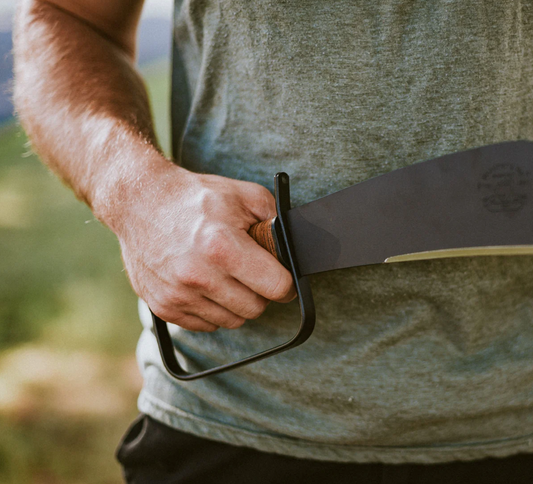
For example, the leather sheath designed for the Woodman’s Pal machete/land-clearing tool is hand-stitched from durable leather and includes a belt loop for convenient carry. This keeps your primary outdoor tool protected, secure, and within quick reach when you need it on the trail or at camp.
Benefits of using a tool sheath include:
- Faster Access in the Field: Slide your machete into a dedicated sheath where you can draw it quickly without digging through your pack.
- Protection for Both Blade and Gear: A covered blade stays sharper longer and won’t abrade other essentials in your pack.
- Reduced Wear on Packs and Clothing: Sheaths help prevent the tool from shifting and poking other gear during transport.
- Safer Transport on Long Hikes: A properly fitted sheath with retention snaps or belt attachment adds confidence when moving across uneven terrain.
For bushcraft packing tips in particular, having a dedicated sheath like this ensures your primary tool stays accessible without cluttering your pack or field tote.
Protect Your Gear From Weather and Moisture
The weather is unpredictable, especially over the course of a multi-day trip, and your packing system should account for that from the start. Rain, temperature swings, and morning dew can quickly turn small inconveniences into real problems if essential gear isn’t protected.
Packing with weather in mind means separating moisture-sensitive items, using waterproof liners or dry bags where it matters most, and organizing gear so wet or dirty items don’t compromise everything else in your pack or field tote.
Some key weather-proofing strategies include:
- Line packs or totes with waterproof liners.
- Use dry bags for clothing and sleep systems.
- Store fire-starting materials in sealed containers.
- Keep tools clean and dry before stowing.
Pack Smarter, Not Heavier
Efficient packing plays a major role in how smoothly a camping or fieldwork trip runs, especially over multiple days. A well-thought-out system saves energy, reduces frustration, and helps you stay focused on the task at hand.
By combining a clear outdoor essentials checklist, smart backpack organization tips, and practical storage solutions like field totes and tool sheaths, you’ll spend less time searching for gear and more time getting work done or enjoying the outdoors.
Whether you’re heading out for a weekend camp or an extended backcountry trip, smart field gear organization makes every mile easier.
Shop Woodman’s Pal’s leather field totes, carriers, and sheaths to keep your tools and essentials organized, protected, and ready for the work ahead.